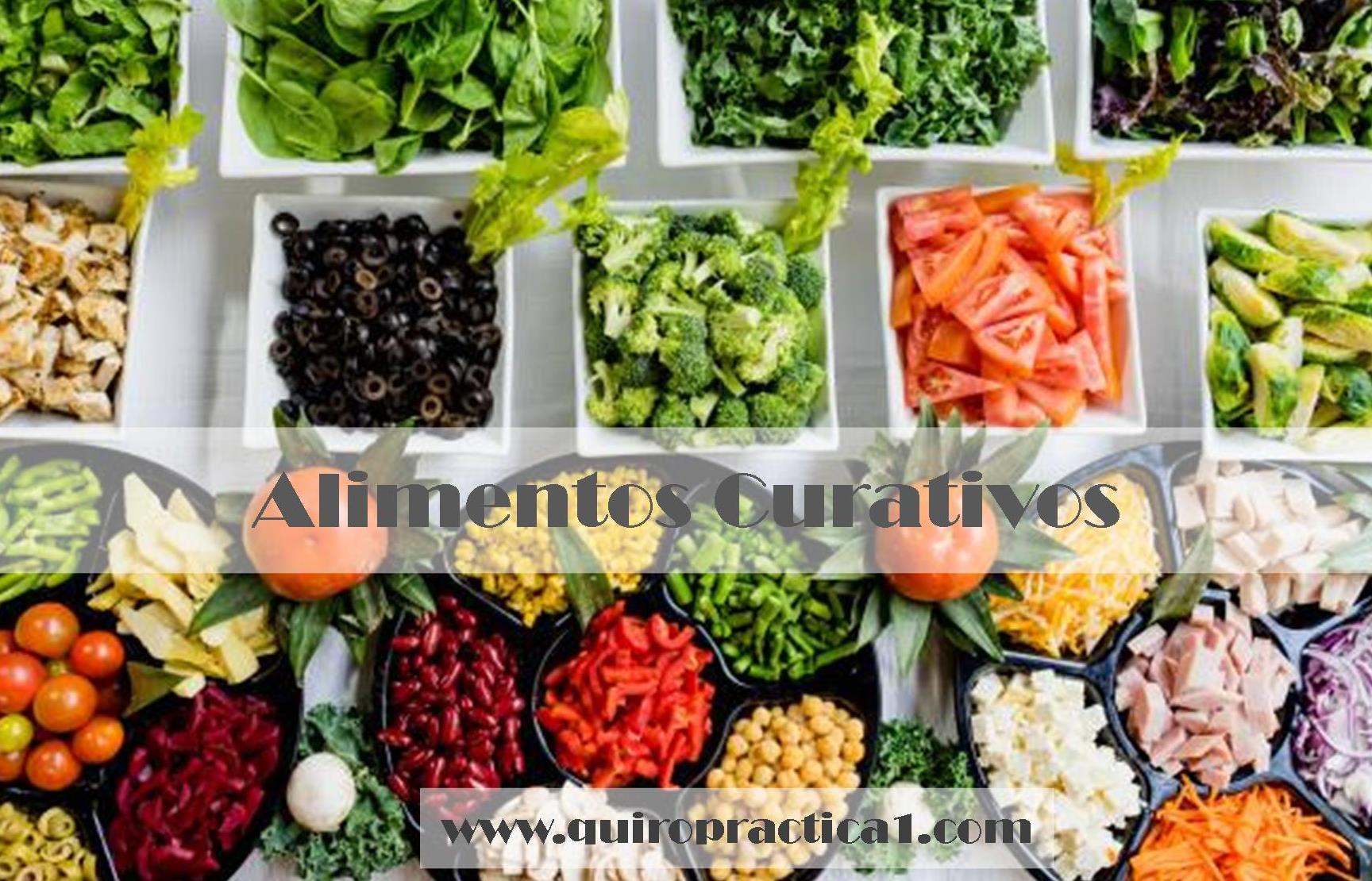
Explore how the healing foods diet can be key to naturally improving your health. Learn…
20 healthy ingredients for salads
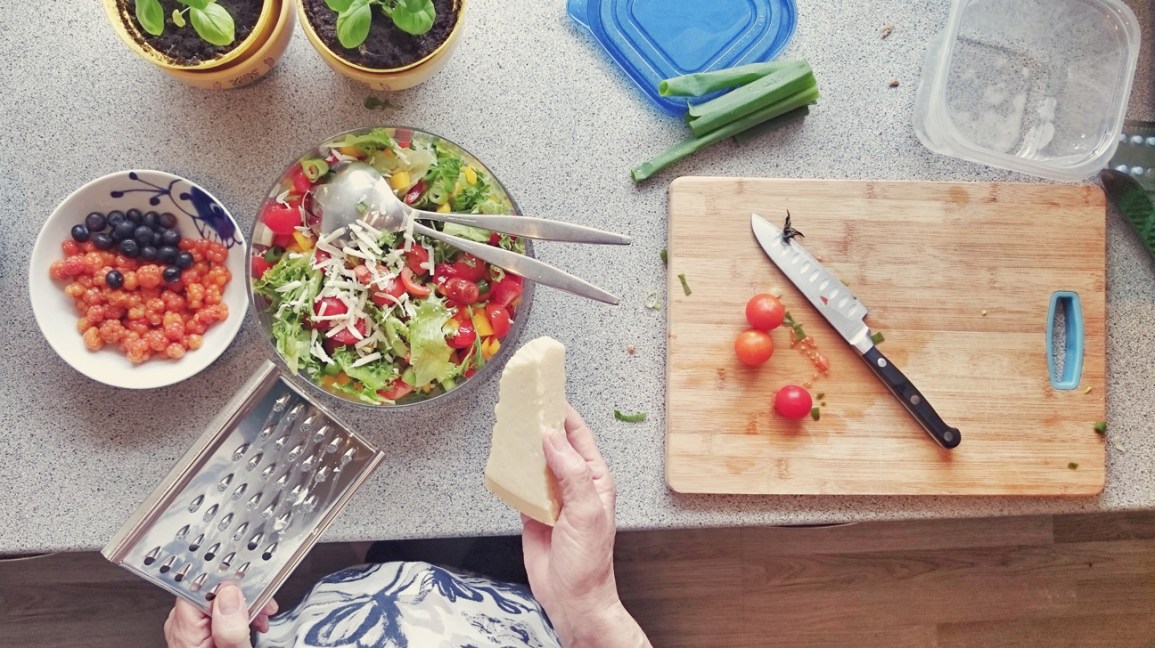
Salads are typically made by combining lettuce or mixed greens with a variety of ingredients and dressing.
With a wide variety of possible combinations, salads can be a staple of a balanced diet. You can add almost any food to a salad, but some toppings are more nutritious than others.
Today we present the 20 best ingredients for making healthy salads.
A typical salad starts with raw vegetables, such as lettuce, spinach, kale, mixed greens, or arugula. However, you can also add a variety of raw vegetables.
Some well-known raw vegetarian ingredients include chopped carrots, onions, cucumbers, celery, mushrooms, and broccoli. These vegetables are rich in fiber and plant compounds that offer health benefits.
A study of 422 young adults found that eating raw vegetables, such as carrots, lettuce, spinach, and cucumber, was associated with good mental health and mood (study: 1)
Nuts and seeds, such as pistachios, walnuts, pumpkin seeds, almonds, peanuts, and chia seeds, are very nutritious salad ingredients.
For example, 28 grams of pumpkin seeds has 5 grams of protein and about 20% of the daily value (DV) of zinc. Even more, just adding 22 almonds (28 grams) to a salad contains over 3 grams of fiber and various vitamins and minerals.
When choosing nuts or seeds to add to your salad, look for raw or roasted varieties without added salt, sugar, or preservatives.
Salads and dried fruits are a delicious combination.
Using dried blueberries, apricots, mango, or raisins as salad toppings is an easy way to add some sweetness along with various nutrients. For example, 28 grams of dried apricots has 20% of the DV for vitamin A and 2 grams of fiber.
To avoid added sugars and preservatives, look for dried fruits that only have the fruit as the sole ingredient. Additionally, use these tasty foods in moderation to complement your salad.
You can also make your own by slicing your favorite fruit into thin pieces and baking on a lined baking sheet at 121 °C for two to three hours.
Some of the most well-known organic whole grains used as salad ingredients include cooked brown rice, quinoa, farro, and barley. These grains add texture and flavor to your salad.
Whole grains also provide fiber and protein that can help you feel satisfied and full after meals. For example, 1 cup (195 grams) of brown rice has 5 grams of protein and over 3 grams of fiber.
Furthermore, research links whole grain consumption to a variety of health benefits, including weight loss and lower cholesterol levels (study: 2).
Cooked whole grains are available at most grocery stores. To prepare your own, combine raw grains with water in a 1 to 2 ratio in a pot; for example, use 1 cup of grains with 2 cups of water. Bring to a boil, then simmer until the grains are tender.
5. Beans and legumes
Beans and legumes are an excellent source of plant protein to add to your salad.
A serving of 1 cup (172 grams) of cooked black beans and red beans provides over 15 grams of protein in addition to vitamins, minerals, and fiber.
You can use canned beans or prepare them yourself. To cook your own, place dry beans in a large pot and cover them with an inch of water. Bring to a boil and then let simmer for one to three hours or until tender.
6. Hard-boiled eggs
Eggs can be a very nutritious addition to your salad.
A large egg provides 6 grams of protein and more than 15 vitamins and minerals for just 77 calories.
The protein content can help you feel fuller. A study of 30 overweight or obese women found that those who ate eggs at a meal consumed significantly fewer calories during the following 36 hours compared to those who ate muffins (study: 8).
To make hard-boiled eggs, place the eggs in a saucepan and cover them with 2.5 cm of water. Bring to a boil for about 10 minutes, remove from heat, and transfer the eggs to a bowl of cold water for five minutes before peeling.
11. Fresh herbs
Herbs are the leaves, seeds, or flowers of plants that can add flavor or fragrance to your dishes.
Some of the most well-known fresh herbs to add to salads or salad dressings include basil, mint, rosemary, parsley, sage, and cilantro.
Herbs not only add flavor but can also provide various health benefits.
For example, research shows that a compound in rosemary and sage may have anticancer properties, while cilantro may help combat inflammation (study: 9, 10).
12. Leftover meat
Leftover meats, such as baked or grilled chicken, pork, or beef, can be reused as salad ingredients.
Meats contain vitamins and minerals, as well as high-quality proteins that can help you feel satiated.
For example, 84 grams of baked chicken breast has 26 grams of protein for less than 140 calories.
Pre-cooked meats are available at grocery stores for quick and convenient salad toppings, but be aware that they may contain ingredients such as additives that are potentially unhealthy.
You can also prepare your own dishes by cooking meats in a skillet, grilling, or in your oven with olive oil and seasonings at 176 °C until they reach a safe internal temperature.
13. Fish
Adding fish to your salad can boost its nutrition and flavor.
Salmon, cod, halibut, shrimp, lobster, and even sardines are incredibly healthy sources of protein, omega-3 fatty acids, vitamins, and minerals. Studies show that eating fish can improve heart health and brain function (study: 12, 13).
The most nutritious ways to prepare fish for salads are baking or grilling. Fried or breaded fish with added oils and salt are not as healthy.
To prepare fish at home, rub the fillets with olive oil and seasonings and bake in a lined dish for 15–20 minutes at 204 °C.
14. Avocados
Avocados are a versatile food and a great addition to salads.
They are rich in nutrients that can improve heart health and support healthy aging, such as monounsaturated fats, fiber, potassium, vitamin C, vitamin K, and folate (study: 14).
In fact, one avocado provides more than 50% of the DV for vitamin K and 41% of the DV for folate.
You can add sliced avocado to almost any salad or use guacamole as a topping. To make guacamole, mash avocado with onion, garlic, and lime juice. Optionally, add a bit of fresh cilantro for a special touch.
15. Soft cheeses
Soft cheeses, including fresh mozzarella, feta cheese, ricotta, goat cheese, blue cheese, and burrata, are excellent salad ingredients.
They provide a creamy texture and delicious flavor, along with proteins, calcium, and other micronutrients. Additionally, soft goat and feta cheeses made from goat or sheep milk are lactose-free and are good options for those who cannot tolerate cow’s milk (study: 15, 16, 17).
Soft cheeses are available at grocery stores and specialty markets. When looking for mozzarella, burrata, or feta cheeses, look for those packaged in brine as they inhibit bacterial growth and maintain a creamy texture.
16. Pomegranate seeds
The red seeds of pomegranates add a nutritious and decorative touch to the salad.
Not only do they make a beautiful salad, but they can also provide impressive health benefits. Studies have found that pomegranate seeds are rich in compounds called anthocyanins that may have suitable antioxidant benefits (study 18 19)
Pomegranate seeds are available packaged at most grocery stores. To extract the seeds from a whole pomegranate, carefully cut it and then open it with your hands.
17. Corn and Salsas
Using organic corn and salsa as salad foods is an easy way to create a tasty and nutritious Tex-Mex salad.
A serving of ½ cup (128 grams) of organic corn kernels has more than 9% of the DV for fiber and is rich in vitamin C and folic acid. Additionally, research suggests that eating tomato-based products like salsa that contains lycopene may help prevent heart disease and cancer (study: 20, 21).
When buying corn and salsa, look for varieties that contain mostly whole food ingredients that are non-GMO and organic. You can also make homemade salsa with chopped tomatoes, peppers, onions, cilantro, and seasonings.
18. Tofu and Edamame
Tofu and soybeans, known as edamame, are excellent sources of plant protein to add to your salad.
One cup (155 grams) of cooked edamame has about 17 grams of protein, while ½ cup (126 grams) of tofu provides about 20 grams. Both foods are rich in folate, vitamin K, and various other micronutrients.
Additionally, eating tofu, edamame, and other soy-based foods may help prevent heart disease and some types of cancer (study 22).
When choosing soy foods for your salad, look for organic whole soybeans and tofu without many additives. Keep in mind that most soy is genetically modified unless labeled organic or non-GMO.
19. Olives
Olives are a nutrient-rich and tasty component.
They are rich in healthy fats, containing more than 2 grams of monounsaturated fat in 28 grams. Research links the consumption of monounsaturated fats to a reduced risk of heart disease and lower cholesterol levels (study 23, 24).
Since olives are cured in brine, they can be high in salt. If you are monitoring your salt intake, look for varieties with less sodium.
20. Oil dressings and vinaigrettes
A salad is not complete without a dressing.
A study found that participants who ate salads with full-fat dressings absorbed more nutrients from the vegetables than those who used low-fat or fat-free dressings (study 25).
Since oils are a good source of fat, you can make your own salad dressing with healthy fats and oil. Combine 2 tablespoons (30 ml) of healthy oils, such as olive oil or avocado oil, with 1 tablespoon (15 ml) of organic apple cider vinegar for a quick and tasty dressing.
Refine your mixture with herbs and spices that suit your taste buds.
Summary
Adding healthy ingredients to your salad can enhance nutrition and flavor.
The suggestions made make it easy to prepare a healthy combination that will help you feel fuller and satisfied.
Additionally, these nutritious ingredients can add flavor and texture to a balanced diet and can provide a variety of health benefits.
If you want more recipes…
Related Posts