
Responsible for your health... Responsible for your health, you-are-the-captain-of-your-ship, There is certainly a paranoia that…
15 Benefits of Vitamin D3
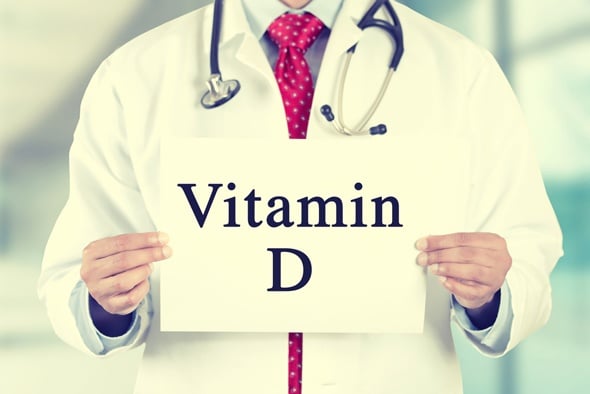
Vitamin D is a fat-soluble vitamin that is essential for optimal health. buy
Special update due to coronavirus.
If you know that your Vitamin D is low or want to boost your immune system, the recommendation is Vit D3 20000/day and K2mk7 200/day find Here our recommendation on Amazon
Only a few foods contain significant amounts of this vitamin. These include fatty fish, organ meats, certain mushrooms, and dietary supplements.
However, unlike other vitamins that you can only obtain through your diet, vitamin D can also be processed by your body when your skin is exposed to sunlight.
For this reason, vitamin D is technically considered a hormone. The limited availability of vitamin D in the human diet, combined with insufficient sun exposure for most people, may explain why up to 41.6% of the population has deficient blood levels.
Interestingly, having adequate levels of this vitamin in the blood can provide many important health benefits. This article lists 15 scientifically based benefits of vitamin D.
-
Improves bone health
Vitamin D plays an important role in the health of your bones. This is because it increases the absorption of calcium and phosphorus from your diet—two nutrients important for bone health. Studies show that people with low blood levels of this vitamin tend to suffer more bone loss. Additionally, research shows that people who take vitamin D supplements may benefit from a 23-33% lower risk of bone fractures.
Recent studies indicate that taking vitamin D supplements may help improve fracture healing, especially in people with low levels. However, more studies are needed to support these findings. Most experts recommend that people with blood values below 12 ng/ml (25 nmol/l) should consider taking vitamin D that provides at least 20-25 mcg (800-1,000 IU) each day.
However, some insist that this recommendation is too low and propose that people take higher doses to maintain blood vitamin D levels above 30 ng/ml (75 nmol/l). In any case, all experts agree that older adults, who have an increased risk of falls and fractures, should supplement in greater amounts than this recommendation.
Conclusion: Vitamin D helps increase the absorption of minerals that are important for bone health. Higher levels may also reduce the risk of fractures, limit bone loss, and improve recovery from fractures.
-
Reduces the risk of diabetes
Diabetes is a disorder in which your body cannot process carbohydrates normally. There are several types of diabetes, but type 1 and type 2 diabetes are the most common. Type 1 diabetes is an autoimmune disease usually diagnosed during childhood or adolescence, while type 2 diabetes usually occurs later in life and is related to lifestyle. Interestingly, vitamin D may help reduce the risk of both types of diabetes.
Type 1 diabetes in children Type 1 diabetes is a genetic autoimmune disease that destroys insulin-producing beta cells in the pancreas.
For this reason, type 1 diabetics must inject insulin several times a day to ensure that their blood sugar levels remain at a healthy level.
Although type 1 diabetes has a large genetic component, certain environmental factors—possibly including low vitamin D intake—may act together to promote the disease. For example, studies show that babies and young children who take vitamin D supplements may have a 29-88% lower risk of developing type 1 diabetes than children who do not receive supplements.
The recommended daily dose is 10 mcg (400 IU) of vitamin D for infants 0-12 months and 15 mcg (600 IU) for most children and adults. However, many argue that these recommendations are too low, with one study observing that only daily doses of 50 mcg (2,000 IU) and higher successfully reduce the risk of developing type 1 diabetes.
That said, few studies have so far investigated the link between vitamin D and type 1 diabetes. More research is needed before solid conclusions can be drawn.
Type 2 diabetes in children, adolescents, and adults Type 2 diabetes is a disease that develops over time.
It can occur if your pancreas stops producing enough insulin, or if your body develops insulin resistance—or both. Interestingly, vitamin D levels may play an important role in the development of type 2 diabetes.
Experts believe that vitamin D may protect against type 2 diabetes by reducing insulin resistance, increasing insulin sensitivity, and improving the function of cells responsible for insulin production. In fact, two recent studies report that people with low blood vitamin D levels may have up to a 55% higher risk of developing type 2 diabetes.
Additionally, adults who consumed at least 12.5 mcg (500 IU) of vitamin D per day appeared to benefit from a 13% lower risk of developing type 2 diabetes than those who regularly consumed less than 5 mcg (200 IU) per day.
Similar results were also found in vitamin D deficient children and adolescents with insulin resistance. In another study, type 2 diabetics who received vitamin D of 1,250 mcg (50,000 IU) per week had a 5-21% decrease in fasting blood sugar levels and insulin resistance during the two-month study period.
It is important to mention that not all studies agree on the protective effects of taking vitamin D supplements. While not all type 2 diabetics may benefit from taking vitamin D supplements, it seems particularly beneficial for those with lower blood sugar control.
Conclusion: Adequate levels of vitamin D may help reduce the risk of developing type 1 and type 2 diabetes. In certain cases, vitamin D supplements may also help improve blood sugar control in type 2 diabetics.
-
Could improve heart health buy
Vitamin D may help improve your heart health and reduce the likelihood of heart attacks. In one study, men with blood levels below 15 ng/ml (37 nmol/l) were twice as likely to suffer a heart attack as those with levels of 30 ng/ml (75 nmol/l) or higher.
In another study, the likelihood of developing heart disease was 153% higher for people with blood vitamin D levels below 15 ng/ml (37 nmol/l). The highest risk was observed in individuals with low vitamin D levels who also had high blood pressure.
That said, while low blood vitamin D levels are often associated with an increased risk of heart disease, many studies fail to find a lower risk from taking vitamin D supplements.
Experts speculate that other factors related to good vitamin D status may be at play, such as the time spent outdoors or a preference for vitamin D-fortified beverages over sodas.
Therefore, while taking vitamin D supplements may be beneficial for other reasons, increasing your levels through lifestyle choices still seems to be the best strategy against heart disease.
Conclusion: People with good vitamin D status have a lower risk of developing heart disease. However, taking supplements does not seem to have an effect.
-
May reduce your risk of certain cancers
Maintaining adequate levels of vitamin D may have some cancer-preventive benefits. In fact, several studies suggest that individuals with higher levels have a lower risk of certain types of cancer.
Two recent studies report that those with adequate levels of this vitamin may have up to a 25% lower risk of developing bladder cancer.
Higher levels of vitamin D may also reduce the risk of dying from the disease. Similarly, several other studies demonstrate that maintaining higher blood levels of vitamin D may reduce the risk of developing colorectal cancer.
Additionally, some studies report that vitamin D may play an important role in decreasing cancer progression. That said, it is still unclear whether taking vitamin D supplements provides any benefit against cancer.
In fact, several studies found no protective effects against cancer after participants took vitamin D supplements, despite having increased blood levels.
In summary, more studies are needed to determine cause and effect, as well as the true value of taking vitamin D supplements as a cancer strategy.
Until then, it may be advisable to focus on maintaining adequate levels of vitamin D through lifestyle choices known to reduce cancer risk. For example, through a healthy diet and regular physical activity—preferably outdoors.
Conclusion: Vitamin D may play a role in cancer prevention. However, more studies are needed to determine its exact role.
-
May reduce the risk of premature death
Vitamin D may help you live a longer life. In fact, several studies describe a remarkably consistent link between blood levels of vitamin D and the risk of dying prematurely.
For example, the Cochrane group (a government organization of several nonprofit scientists) conducted a scientific review examining 50 randomized controlled trials—this is the gold standard for scientists. It was found that people taking vitamin D supplements had a 6% lower risk of premature death.
Therefore, those who receive enough vitamin D through sunlight, their diet, or supplements may be adding a few more years to their lives.
Conclusion: Maintaining good levels of vitamin D may slightly reduce the risk of premature death.
-
Decreases symptoms of depression
Researchers are now discovering that vitamin D may also have an effect on depression. The exact role of the vitamin in the development of depression is not fully understood. One theory suggests that vitamin D increases the amount of serotonin in the brain, which is a known contributor to feelings of well-being and happiness.
Consequently, a review of recent studies reports that low levels of vitamin D may increase the likelihood of depression by 131%. However, research to date has not provided clear evidence that vitamin D supplements are effective in treating or preventing depression. Interestingly, it may depend on the severity of the symptoms. For example, vitamin D supplements seem more effective at reducing symptoms in individuals with severe depression symptoms, but less effective in those with moderate or mild symptoms. However, more studies are needed to support these effects and determine which supplement recommendations are most effective.
Conclusion: Vitamin D may help prevent or reduce symptoms of depression, particularly in individuals with severe symptoms.
-
Increases muscle strength
Recent studies show a link between vitamin D, muscle growth, and strength, both in adults and the elderly.
A recent review examined the effects of vitamin D on athletic and non-athletic adults. It was found that those who received vitamin D supplements increased upper and lower body strength slightly more than those who did not receive supplements.
Similarly, several studies examined how vitamin D affects muscle strength, fall risk, and frailty in the elderly. A large majority found that supplementation led to better increases in muscle strength and fewer falls than a placebo.
Daily doses of 20-25 mcg (800-1,000 IU) seem sufficient to cause improvements in older individuals. The benefits appear to be stronger in individuals with low vitamin D levels to begin with. Studies conducted in younger individuals report using vitamin D doses up to eight times higher.
Therefore, stronger doses may be necessary to see any increase in muscle strength in younger individuals. However, more studies are needed before definitive recommendations can be made.
Conclusion: Maintaining good levels of vitamin D may help increase muscle strength. It may also reduce the risk of falls and frailty in the elderly.
-
May help prevent and treat multiple sclerosis
Multiple sclerosis (MS) is an autoimmune disease that affects the brain, spinal cord, and optic nerves of the eyes. Certain studies suggest that adequate levels of vitamin D in the blood may help reduce the risk of MS by up to 62%.
People with MS who are able to maintain high levels of vitamin D may slow the progression of their disease. However, only a limited number of studies have been conducted in this affected MS population.
Conclusion: Vitamin D may help reduce the risk of MS and slow its progression. However, more studies are needed.
Other benefits Over the past decade, vitamin D has become a particularly popular topic of scientific research. For this reason, new studies investigating the benefits of vitamin D are continuously emerging in a wide variety of areas. Some additional potential benefits include:
-
Fewer asthma attacks:
Daily doses of 7.5-30 mcg (300-1,200 IU) may decrease the likelihood of asthma attacks in school-aged children.
-
Prevention of the common cold:
Taking vitamin D supplements may help reduce the risk of upper respiratory tract infections (URTI).
-
Improved recovery from surgery:
Adequate blood levels may help improve recovery after surgery.
-
Reduction of chronic pain:
Adequate levels of vitamin D may help decrease pain in some, but not all, individuals suffering from chronic pain.
-
Promotion of healthy births:
Taking vitamin D supplements during pregnancy may help increase the duration and weight of babies at birth.
-
Protection against Parkinson’s disease:
Higher blood levels may reduce the risk of developing Parkinson’s disease.
-
Reduction of age-related mental decline:
Adequate blood levels may reduce the risk of mental decline among the elderly. It is important to note that research on the aforementioned benefits is generally scarce. Additionally, the way some studies were designed makes it impossible to determine whether low levels of vitamin D actually cause adverse effects.
Conclusion: Adequate levels of vitamin D are linked to a variety of health benefits. However, more studies are needed to confirm these benefits.
Share this message with anyone you think may need it. Vitamin D plays several important roles in the body.
Therefore, maintaining adequate levels—whether through food, sun exposure, or supplements—is very important for optimal health. It is actually very common for people to be deficient without knowing it. For this reason, it is a good idea to have your vitamin D levels checked by a doctor.
Those who are deficient and unable to increase sun exposure should strongly consider taking a supplement, preferably with the D3 form of the vitamin. Dosage recommendations may vary from person to person.
Talk to your doctor or dietitian. Those who choose to increase their vitamin D levels from the sun should ensure they avoid excessive exposure, which can lead to burns.
Sign up at reception for our class on the sun and you will know how and when to expose yourself.
Related Posts